Приложение
Поиск бронирований
otsu: чем заняться
Посмотрите лучшие развлечения
Топ-10 достопримечательностей: otsu


Nijō Castle
Kyoto · 9,7 км от Оцу

Kinkaku-ji
Kyoto · 11,7 км от Оцу

Arashiyama
Kyoto · 17,1 км от Оцу

Biwako Valley Ropeway
Otsu · 21,1 км от центра города

Sanzen-in
Kyoto · 11,5 км от Оцу

Geisha Performances in Kyoto
Япония · Киото

Biwako Valley
Otsu · 22 км от центра города

teamLab Biovortex Kyoto
Kyoto · 9 км от Оцу

Ninja Experiences in Kyoto
Япония · Киото

Rickshaw Rides in Kyoto
Япония · Киото
otsu: развлечения, которые нельзя пропустить
Популярное: Однодневные туры в г. otsu
Посмотреть все (Однодневные туры)

4,7/5
· Отзывов: 295· Забронировано: 911Бесплатная отмена
Подтвердить
Бронируйте сейчас на завтра
Рекомендуют 91,9 % путешественников
От98,90 ₼

5,0/5
· Отзывов: 21· Забронировано: 27Бесплатная отмена
Последовательные положительные отзывы: 21
От83,91 ₼

3,0/5
· Отзывов: 2· Забронировано: 33Бесплатная отмена
Подтвердить
От62,16 ₼

4,6/5
· Отзывов: 10· Забронировано: 76Бесплатная отмена
Бронируйте сейчас на завтра
Скидка 10%
От78,52 ₼87,25 ₼

Бесплатная отмена
Подтвердить
Скидка 30%
От81,27 ₼116,11 ₼
5,0/5
· Отзывов: 5Бесплатная отмена
Подтвердить
От122,95 ₼
4,7/5
· Отзывов: 35· Забронировано: 232Бесплатная отмена
Бронируйте сейчас на завтра
Рекомендуют 91,4 % путешественников
Скидка 15%
От105,97 ₼124,68 ₼

5,0/5
· 1 отзывБесплатная отмена
Бронируйте сейчас на завтра
От117,75 ₼
Популярное: Отдых на природе в г. otsu
Посмотреть все (Отдых на природе)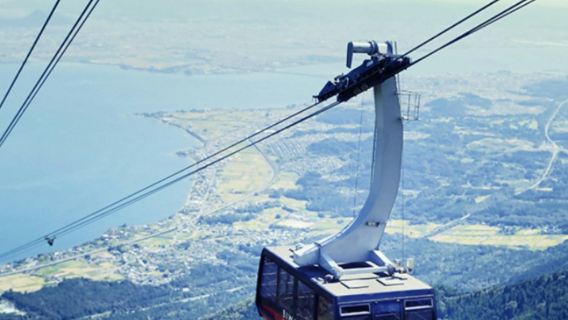
От48,35 ₼

От130,20 ₼


От931,83 ₼

5,0/5
· 1 отзыв· Забронировано: 198Бронирования за прошедшие 7 дн.: 115
От22,42 ₼

Бесплатная отмена
Подтвердить
Бронируйте сейчас на завтра
От76,47 ₼
Популярное: Еда и напитки в г. otsu
Посмотреть все (Еда и напитки)
Забронировано: 107
Бесплатная отмена
Подтвердить
Бронируйте сейчас на сегодня
От10,76 ₼

Бесплатная отмена
Бронируйте сейчас на сегодня
От236,19 ₼

4,9/5
· Отзывов: 30· Забронировано: 117Бесплатная отмена
Подтвердить
Бронируйте сейчас на завтра
От53,79 ₼

4,7/5
· Отзывов: 10· Забронировано: 104Подтвердить
Бронируйте сейчас на сегодня
От10,76 ₼

5,0/5
· Отзывов: 2· Забронировано: 43Бронируйте сейчас на сегодня
Сохранено: 82 путешественник
От21,55 ₼


без ограничений наслаждайтесь едой [Стандартный комплексный обед с мясом на гриле] - Мясо на гриле 8
5,0/5
· Отзывов: 2· Забронировано: 29Бронируйте сейчас на завтра
От37,49 ₼
Популярное: Культурные мероприятия в г. otsu
Посмотреть все (Культурные мероприятия)
5,0/5
· Отзывов: 21· Забронировано: 45Бесплатная отмена
Бронируйте сейчас на сегодня
Последовательные положительные отзывы: 21
От86,01 ₼

Бесплатная отмена
Бронируйте сейчас на сегодня
Скидка 20%
От9,83 ₼12,29 ₼

Бесплатная отмена
Подтвердить
Бронируйте сейчас на сегодня
От105,24 ₼
Бесплатная отмена
Бронируйте сейчас на сегодня
Скидка 20%
От12,09 ₼15,12 ₼

Бесплатная отмена
Бронируйте сейчас на сегодня
Скидка 20%
От12,09 ₼15,12 ₼
Чем бесплатно заняться в г. otsu


otsu — что говорят путешественники

J&E Travels25 ноября 2024 г.
5,0
Nijo Castle, a UNESCO World Heritage Site in Kyoto, Japan, showcases stunning architecture and rich history. Here's a detailed description:*Architecture*1. *Main Keep (Donjon)*: Five-story, 32.9-meter-tall structure with a unique blend of Japanese and Chinese architectural styles.2. *Ninomaru Palace*: Intricately decorated with traditional Japanese art, featuring "nightingale floors" that squeak when walked upon.3. *Kuroshoin*: A beautifully designed study and reception room.4. *Seiryuen Garden*: A tranquil garden with walking paths and scenic views.5. *Togetsukyo Bridge*: A scenic bridge over the castle moat.6. *Stone walls and moats*: Well-preserved feudal-era defenses.*Gardens*1. *Karesansui Garden*: A beautiful Zen garden with raked gravel and stones.2. *Seiryuen Garden*: A tranquil garden with walking paths and scenic views.3. *Ninomaru Garden*: A traditional Japanese garden with ponds, bridges, and teahouses.*Interior*1. *Intricate woodwork*: Elaborate carvings and ornate details adorn the ceilings, walls, and floors.2. *Traditional Japanese art*: Beautiful frescoes, paintings, and decorative screens.3. *Nightengale Floors*: Squeaky flooring designed to alert guards of intruders.*Historical Significance*1. Built in 1603 for Tokugawa Ieyasu, founder of the Tokugawa shogunate.2. Served as the Kyoto residence of the Tokugawa shoguns.3. Played a key role in Japan's Edo period (1603-1867).*Visitor Information*1. *Address*: 541 Nijojo-cho, Nakagyo-ku, Kyoto2. *Opening Hours*: 9:00 AM - 5:00 PM (last entry at 4:00 PM)3. *Admission*: ¥600 (adults), ¥350 (high school students), ¥200 (elementary/junior high students)4. *Access*: Kyoto Station (JR), then bus #50 or subway (Tozai Line)*Tips*1. Wear comfortable shoes for walking.2. Audio guides available in multiple languages.3. Photography allowed, but flash and tripods restricted.4. Traditional Japanese tea ceremonies held periodically.
Nijō Castle

_TI***dv2 августа 2026 г.
5,0
It was pretty crowded but you are able to take beautiful pictures as people would take turns getting close. The walk around the trail was pretty short. Definitely worth it see it.
Kinkaku-ji

Cameo1919 августа 2025 г.
5,0
Stunning natural beauty, definitely a must visit if in Kyoto. Convenient to get to, I took a bus there and train back to hotel. Definitely set aside a good few hours, beautiful scenery overlooking the riverside and lake. Many shops and restaurants in the village. Definitely take the romantic train, stunning views!
Arashiyama

ろれるりら30 марта 2025 г.
4,0
夏に訪れたときとは景色がガラリと変わって、銀世界が広がっていました。雪質もよく、有名なスキー場ほどは混んでいなくよかったです。素晴らしい景色を見ながら、滑れてお気に入りのゲレンデになりました。レストランもきちんと営業していました。
Biwako Valley Ropeway

_TS***824 марта 2025 г.
4,0
a place for worship, relax and you can find peace inside out, the place is ancient and the distance is a bit far away surroundings are nice
Sanzen-in

Анонимный пользователь18 октября 2026 г.
5,0
Includes round trip Ropeway, unlimited chairlift rides, sky bridge access biwako terrace infinity pool views!
Biwako Valley

_GG***4026 октября 2026 г.
4,0
The exhibition was beautifully designed, with impressive and engaging installations. The staff were friendly, helpful, and professional.However, my experience was slightly affected by the behavior of some visitors during my visit. A few people cut in line, spoke loudly, and touched exhibits despite clear signs asking visitors not to do so.It would be great to see more guidance and supervision to encourage visitors to respect the rules and maintain a pleasant atmosphere for everyone.Overall, it was a wonderful experience, and I would still highly recommend visiting!
teamLab Biovortex Kyoto